


-

Add: HeBei ShengShi HongBang Cellulose Technology CO.,LTD.
-

Email
13180486930@163.com -

CONTACT US
+86 13180486930




Hydroxypropyl distarch phosphate (HDP) is an essential modified starch used across a variety of industries , from food production to pharmaceuticals. Its unique properties make it a preferable choice for manufacturers looking to improve the texture, stability, and shelf-life of their products. This article delves into the multifaceted benefits and applications of HDP, drawing on the expertise of industry professionals and real-world experiences to provide a comprehensive understanding. At its core, hydroxypropyl distarch phosphate is a chemically modified starch made by introducing hydroxypropyl groups into the starch molecule. This modification grants the starch increased stability against heat, acid, and shear, making it invaluable especially in processes involving high temperatures or high shear mixing. For food scientists and manufacturers aiming to enhance the quality of processed foods, HDP offers several advantages. It significantly improves the texture and mouthfeel of culinary products. In sauces and gravies, for example, HDP functions as a thickening agent that withstands the rapid heating and cooling cycles often encountered during production or usage. The stability provided by HDP ensures that products retain their desirable consistency over time, thereby extending shelf life and maintaining consumer satisfaction. Moreover, HDP's compatibility with other ingredients is a significant boon for food formulation. It allows for seamless integration into a wide array of recipes, providing uniformity and consistency without compromising flavor or aroma. From baked goods that require moisture retention to dairy products needing a specific creamy texture, the versatility of HDP is crucial. The expertise in producing hydroxypropyl distarch phosphate extends beyond its functional benefits. Producers must adhere to stringent safety and quality standards to ensure that the modified starch is safe for consumption. Regulatory bodies such as the FDA and EFSA approve the use of HDP within specific limits, attesting to its safety when used accordingly. Expert manufacturers implement rigorous quality control processes, analyzing each batch to affirm compliance with these standards, thereby instilling trust in their product. hydroxypropyl distarch phosphate When addressing the pharmaceutical industry, HDP is especially important. It serves as a disintegrant in tablet formulations, aiding in the efficient release of active ingredients once ingested. This functionality is vital for the efficacy of many medications, where precise control over disintegration time affects overall therapeutic effectiveness. Real-world experiences emphasize the transformative power of HDP in product development. Experienced R&D teams often recount how the introduction of this starch into their formulations allowed them to overcome significant challenges, such as achieving the desired viscosity in low-temperature processing or stabilizing emulsions where traditional starches failed. Establishing trustworthiness in HDP's use involves comprehensive documentation and transparency about the sourcing, processing, and application methodologies. Industry leaders in starch modification frequently engage in partnerships with academic institutions and research organizations to remain at the forefront of innovation and application. In practice, using HDP requires understanding its interaction with other components in formulations. Experts recommend starting with small experimental batches to fine-tune the quantity needed for desired outcomes. Experience has shown that while HDP is robust, achieving perfect results may require some tailoring based on the specific matrix in which it is used. In conclusion, hydroxypropyl distarch phosphate is much more than just a modified starch; it's a cornerstone additive that underpins the efficiency and quality of numerous products across diverse industries. Its verified safety, coupled with substantial expert backing, renders it a trustworthy component in the relentless pursuit of product excellence. By leveraging both the experience and profound expertise surrounding HDP, manufacturers can significantly enhance the quality, safety, and appeal of their offerings, ensuring consumer satisfaction and fostering long-term success.
- 40000tons

Production
- 20+years

Experience
- 5000+㎡

Acreage

-
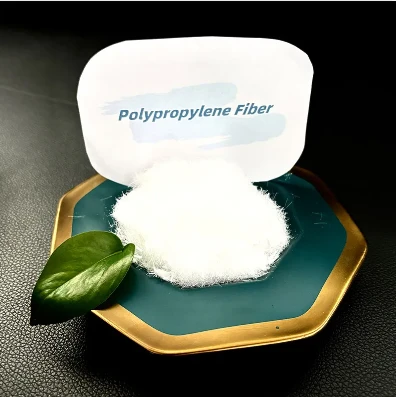
In the ever-evolving landscape of sustainable manufacturing, high-performance environment-friendly rubber powder factories stand as a testament to innovation and responsibility. Not merely as a symbol of eco-consciousness, these factories embody the future of industrial operations by seamlessly blending high-quality production with environmental stewardship. A deep dive into these factories reveals a confluence of technological prowess and ecological mindfulness. At the core of their operations is a commitment to sustainability without compromising on performance. Unlike traditional rubber manufacturing methods that often result in significant environmental detriments, these factories harness advanced technologies that reduce carbon footprint, minimize waste, and utilize resources efficiently. This new breed of factories employs state-of-the-art milling processes that transform end-of-life tires and rubber scraps into fine, reusable rubber powder. Through this recycling initiative, not only is landfill overflow alleviated, but valuable rubber is reclaimed and repurposed. The impact is twofold—mitigating environmental harm while enabling the creation of superior rubber products that meet high industry standards. From a performance standpoint, these rubber powders do not falter . Through rigorous testing and quality control, they consistently meet the requisite benchmarks for tensile strength, elasticity, and durability. This assurance of quality has seen their adoption in a plethora of applications—from automotive parts and building materials to sports surfaces and industrial components. The ability to produce rubber powders with such precision and consistency speaks to the expert capabilities within these factories, grounded on decades of research and development. Moreover, the intelligence embedded within these production processes is awe-inspiring. These factories are equipped with real-time monitoring systems and data analytics platforms that optimize every phase of manufacture. Continuous feedback loops ensure that any deviations are promptly addressed, thereby maintaining peak operational efficiency. Such attention to detail underscores the expertise and authoritativeness these establishments command within the industry. high-performance environment-friendly rubber powder factory Their commitment does not stop at production; these factories also pioneer efforts to educate and collaborate. By partnering with academic institutions, research bodies, and governmental agencies, they foster an environment of knowledge exchange and continuous improvement. This approach not only bolsters their own processes but also elevates industry standards globally. Their collaborative projects often lead to breakthroughs that redefine the boundaries of what's possible in sustainable manufacturing. Transparency, an often-undervalued trait, is another keystone of these operations. Detailed lifecycle assessments and audits are routinely published, providing stakeholders with clear insights into the environmental impact and benefits of their products. Certifications from reputable environmental and industrial bodies further reinforce the trustworthiness of these factories. By openly sharing their methodologies and results, they set a benchmark for accountability and trust. The human element in these factories cannot be overlooked. Skilled professionals work tirelessly to ensure that operations align with both ethical standards and corporate social responsibility objectives. This dedication to ethical labor practices not only enhances product integrity but also builds a supportive and progressive workplace culture. High-performance environment-friendly rubber powder factories are more than just manufacturing units; they are vital components of a sustainable future. Their ability to merge performance with sustainability, coupled with a strong emphasis on expertise, authoritativeness, and trustworthiness, makes them integral players in both industry and environmental conservation. Their story is one of ingenuity, responsibility, and forward-thinking—a narrative that aligns perfectly with the ethos of modern sustainable enterprise.
-
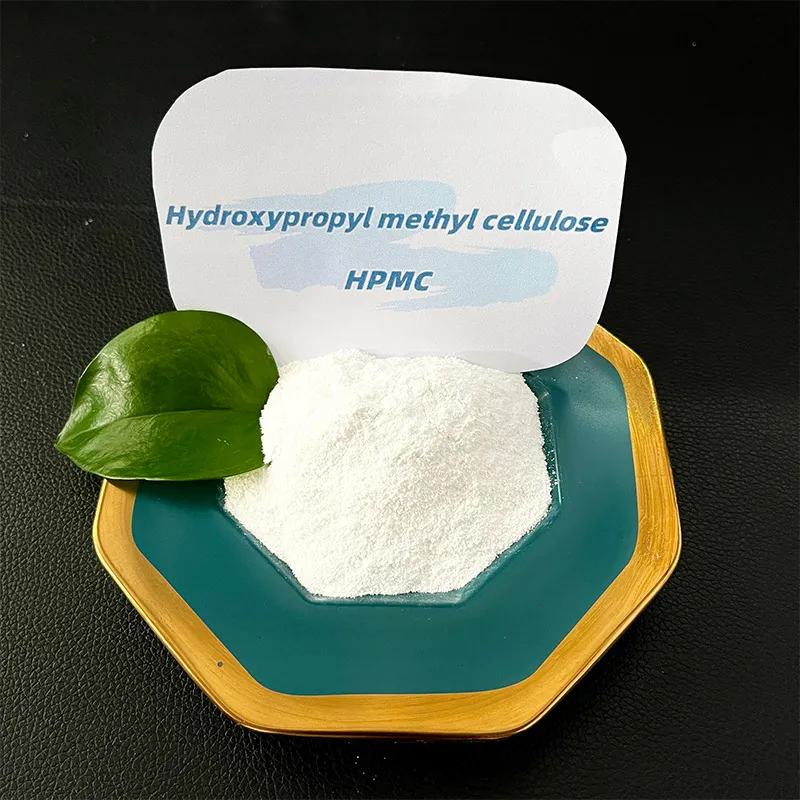
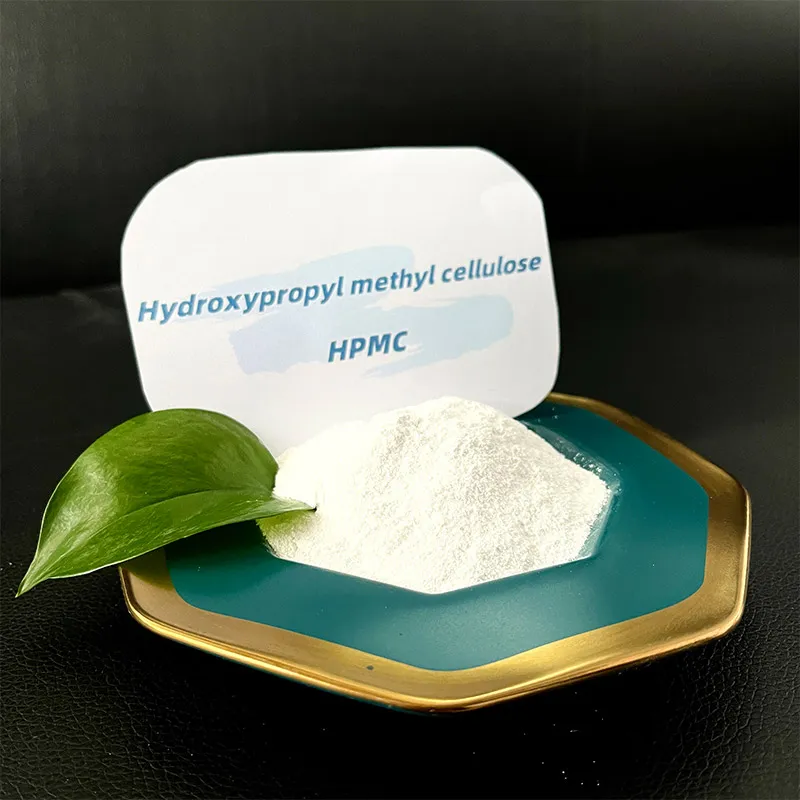
Hydroxypropyl methylcellulose (HPMC) is a versatile, eco-friendly ingredient . This cellulose derivative is known for its exceptional performance in construction. Its unique properties, such as water retention, adhesion, and thickening ability, make it an essential component for improving the quality and durability of products. Whether you're working on building materials, tile adhesives, or wall coatings, hydroxypropyl methylcellulose can elevate the performance and efficiency of your materials. Discover the many benefits of hydroxypropyl methylcellulose and see how it can enhance your business operations. Hydroxypropyl Methylcellulose Uses in Construction In the construction industry, hydroxypropyl methylcellulose uses are critical to improving the quality and performance of building materials. HPMC is widely used in cement-based products such as tile adhesives, plaster, and grout due to its excellent water retention, enhanced workability, and extended open time. By incorporating hydroxypropyl methylcellulose into your construction materials, you can improve adhesion, reduce cracking, and increase the durability of your products. Hydroxypropyl methylcellulose uses in construction also include its role as a binder and thickener in paints and coatings, where it helps create a smooth, consistent finish. Enhance your construction projects with the superior properties of hydroxypropyl methylcellulose . Find the Best Hydroxypropyl Methylcellulose Price for Your Budget When looking for hydroxypropyl methylcellulose price , it’s important to find a supplier that offers high-quality products at competitive rates. The hydroxypropyl methylcellulose price can vary depending on the grade, quantity, and application, but you can trust us to provide transparent pricing that fits your budget. Our prices reflect the quality and reliability of the material, ensuring that you get the best value for your investment. Whether you need small quantities or large volumes, we offer affordable solutions without compromising on quality. Contact us today to learn more about our hydroxypropyl methylcellulose price and how we can support your projects. Reliable Hydroxypropyl Methylcellulose Suppliers for Your Needs Finding trustworthy hydroxypropyl methylcellulose suppliers is crucial for ensuring the success of your projects. As one of the leading hydroxypropyl methylcellulose suppliers , we provide a wide range of high-quality HPMC products designed to meet the diverse needs of various industries. Our hydroxypropyl methylcellulose is sourced from reputable manufacturers and undergoes rigorous quality control to ensure consistency and performance. Whether you're in construction, pharmaceuticals, or another industry, we are your go-to partner for reliable, top-grade HPMC. With our fast delivery, competitive pricing, and expert customer service, we make sourcing hydroxypropyl methylcellulose easy and hassle-free. Why Choose Us for Your Hydroxypropyl Methylcellulose Needs? When it comes to hydroxypropyl methylcellulose , you need a supplier you can trust. We are committed to providing the highest quality HPMC products at the best hydroxypropyl methylcellulose price . Our expertise in the field ensures that we meet the specific requirements of our customerss. As leading hydroxypropyl methylcellulose suppliers , we offer a wide range of grades to suit your needs, backed by excellent customer support and fast, reliable shipping. Choose us for all your hydroxypropyl methylcellulose requirements and experience the difference in quality, price, and service.
advantages
-

200000 Viscosities
Excellent product
We can produce pure products up to 200,000 viscosities
-

40000 tons
High yield
We don’t stop production all year round, and the annual output can reach 40,000 tons
-

24 hours
Quality service
We provide 24-hours online reception service, welcome to consult at any time
———— Inquiry Form
Schedule A services

-
 hpmc_15
Oct . 25, 2025
The journey of synthetic fibers began with an innovation that changed the textile industry forever t -
 hpmc_buy_online
Oct . 25, 2025
In today’s age of sustainable manufacturing and eco-conscious innovation, wood cellulose has gained -
 polymethyl_methacrylate_powder
Oct . 25, 2025
In the rapidly evolving world of construction and pharmaceuticals, the rising star of sustainable ma


